
Home Renovations in Murfreesboro
Renovations that respect the house
Renovation work in Murfreesboro and across Middle Tennessee means earning trust inside an occupied dwelling, peeling back layered decades of prior trades, and preserving the structural good bones while replacing the parts that wore out or never fit the way the family lives now.
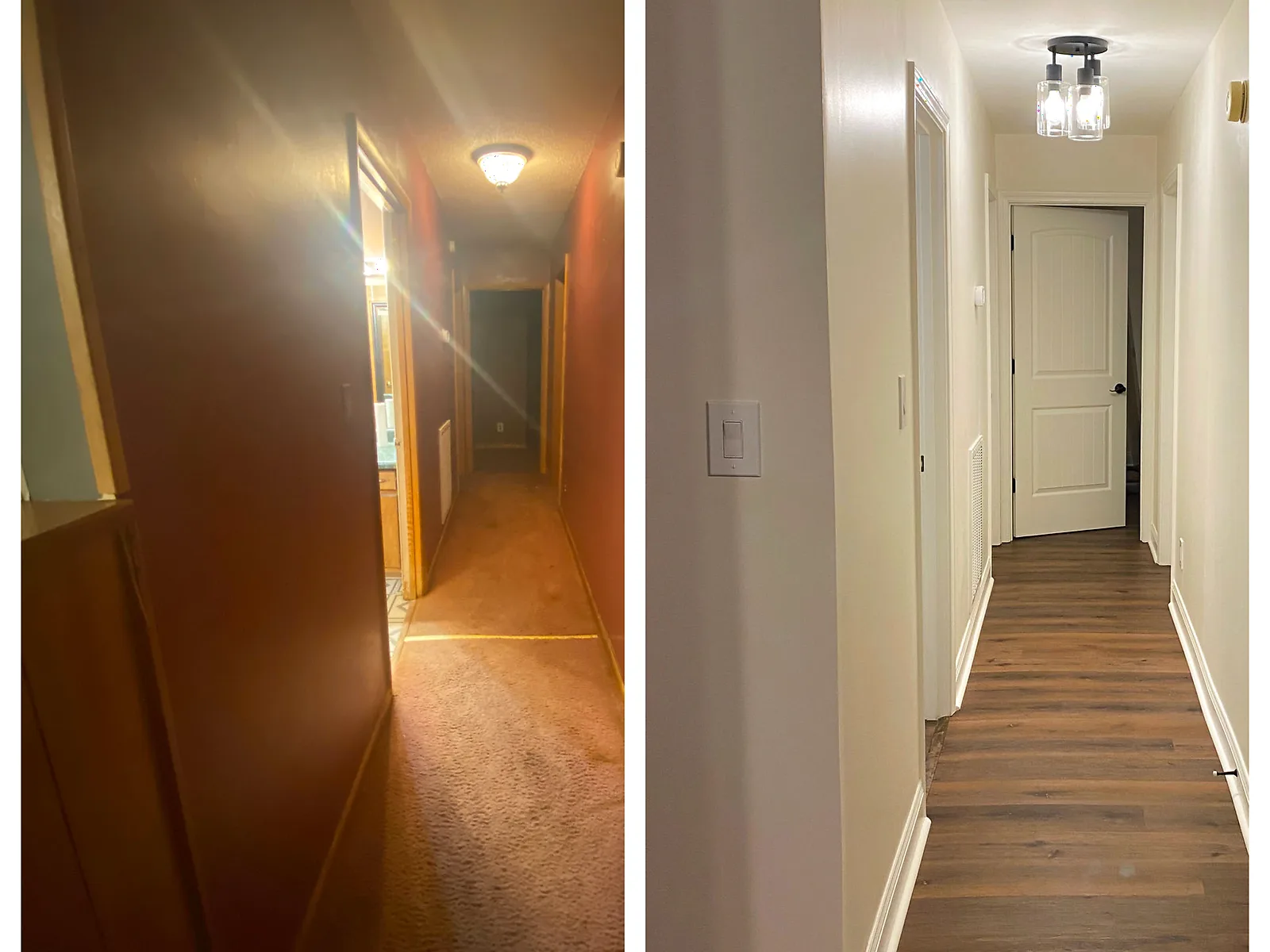
A closer look at our work
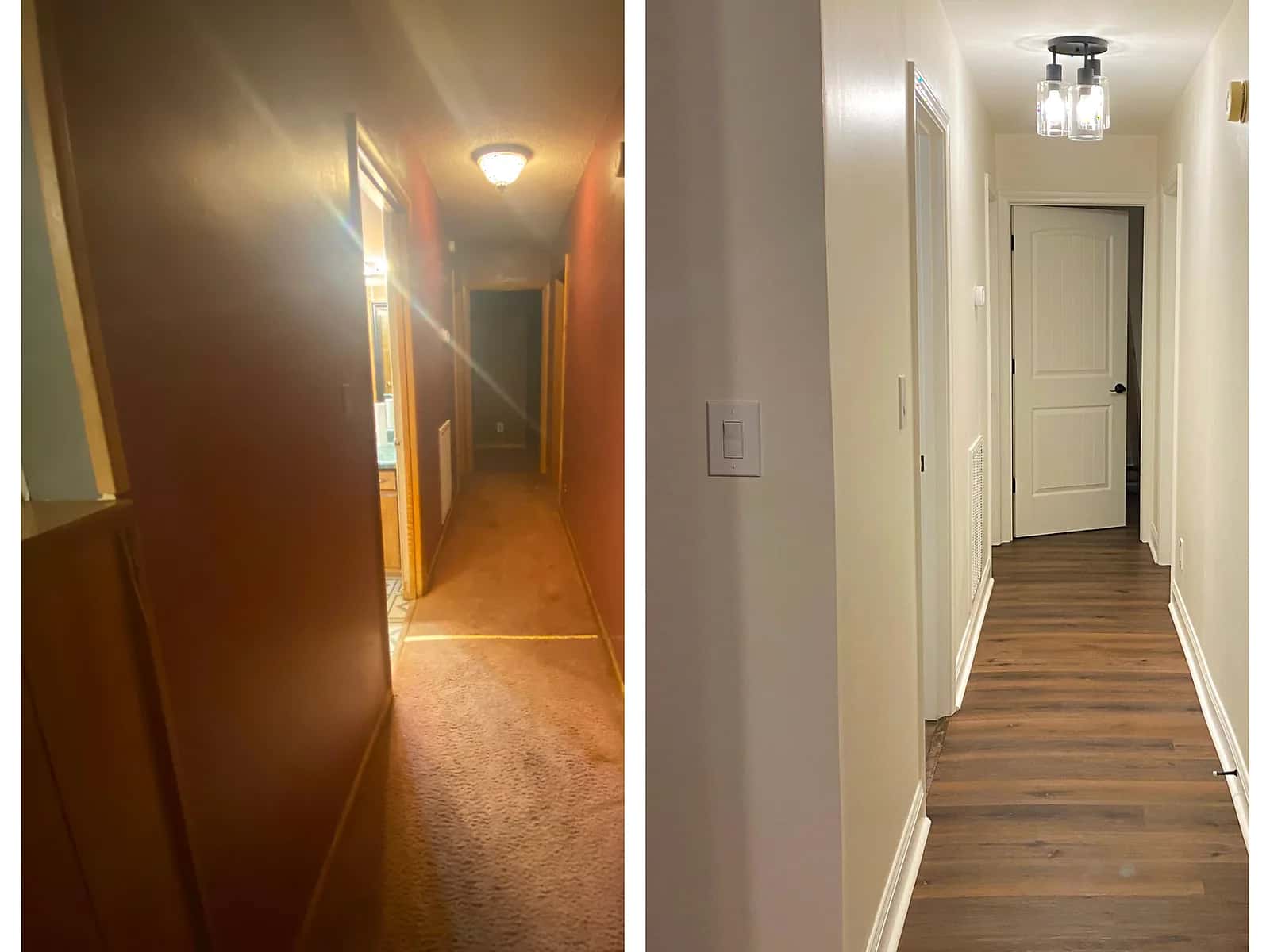
Scoping a renovation against an existing structure
Renovation scoping starts with a 90-minute walk-through with the owner present, clipboard and laser measure in hand, attic ladder pulled down, crawl space inspected, electrical panel opened. The owner walks each room while talking about how the family uses the space day-to-day: the bedroom that became an office, the dining room nobody eats in, the basement stair tread that everybody skips because it cracks. Use-pattern conversations surface scoping insight no blueprint review captures. We document what stays, what changes, and what cannot be assessed until demo opens the wall.
The walk-through builds a stay-versus-change ledger that becomes the basis for the scope document. Existing condition surprises drive most of the overrun risk on renovation work, so we surface every assumption in writing: assumed framing condition, assumed mechanical capacity, assumed wiring quality, assumed plaster versus drywall, assumed sub-floor type. Each assumption gets a contingency line in the budget, scaled to risk: lower contingency on visible elements, higher contingency on enclosed or buried elements. Owners who push back against the contingency framework usually end up paying for the same risk via change orders mid-project, so we hold the line on documented contingency.
The scoping ledger drives the contract, the schedule, and the demo-day checklist all from one document. We also confirm property survey, deed restrictions, and HOA covenants that might constrain what is allowed. Owners in newer subdivisions sometimes learn during scoping that a planned addition exceeds their setback even though we have not poured a footing yet. Finding out at scoping rather than at permit-rejection is a six-week schedule save.
Demolition phase and what comes out of walls
Demo starts after permits land and after the owner has packed the affected rooms. We protect remaining living space with zip-wall dust barriers, negative-pressure HEPA filtration for the work zone, runner mats along travel paths, daily debris haul-out, and a hard line on quitting times so owners can sleep. What comes out of walls is the part owners cannot predict. We have found knob-and-tube wiring in homes built well after it was supposed to be retired, aluminum branch wiring in 1970s rambler renovations, galvanized steel water lines on slab houses that owners thought were copper, and stud-bay air-sealing gaps you could throw a softball through.
Lead-paint testing happens on any structure built before 1978, because a positive result changes both the scope and the sequence of the work and has to be known before the first wall comes down. Asbestos testing happens on any pre-1985 popcorn ceiling, vinyl tile mastic, or pipe insulation; abatement is contracted to a certified specialist and we never disturb suspect material before testing. Demo also tests the assumptions in the scoping ledger.
When framing condition rates a higher-than-assumed concern, we surface a change order at once and the owner sees the cost in writing rather than at month-end invoicing. Salvage opportunities surface here too: original hardwood worth saving, original casing worth reusing, original light fixtures worth re-wiring. Owners often surprise themselves by what they want kept once the layered paint comes off. The demolition phase usually runs one to three weeks on a whole-house renovation and we walk the owner through the gut shell at the end so they can see the bones before any new material lands.
Sequencing trades inside an occupied or partially occupied home
Sequencing changes when the owner is living in the house. We zone the home into work areas and protected areas using temporary partitions, plastic chases over unsealed openings, and air-quality monitoring during demo and finish phases. We schedule loud work for daytime windows the owner can plan around (usually 7 a.m. to 4 p.m. weekdays) and avoid nights, Sundays, and holidays except for emergencies.
We post a weekly look-ahead on the refrigerator so the owner knows which rooms become unusable, when the water shuts off for plumbing rough, and when paint odors will peak. Children and pets get extra attention; we coordinate temporary alternate kitchen access if the kitchen renovation runs longer than ten days, and we offer a partial relocation budget for owners who would rather rent a furnished short-term unit than live through the work. For unoccupied renovations the schedule compresses by 20 to 30 percent because we can run multiple trades in parallel without zone walls. Empty-house weeks let demolition, framing, and rough trades all share the building without owner-comfort tradeoffs.
The trade-off is the owner's lodging cost during the empty window. Owners weigh the cost differential against the savings of compressed scheduling (typically a furnished rental for 90 days against the schedule savings) and choose accordingly. Either path works; the worst path is half-living-in and half-pretending-it-is-fine when it is not.
Preserving the house's character through finish selection
Renovation finish selection lives in tension between honoring what the house already was and giving the owner what they want now. We start with what stays: the original hardwood the owner wants refinished, the brick fireplace that anchors the great room, the wraparound porch the family eats dinner on. We catalog those keeps and let them set the tone for new selections. New millwork profiles get matched to the existing trim profile if the original profile is salvageable; if not we choose a single replacement profile that reads as deliberate.
Cabinetry style follows the architecture: Shaker in a craftsman, beaded inset in a Victorian, recessed-panel in a colonial. Hardware finish picks up the door hardware that stays, not the catalog look that came in the magazine. Lighting respects ceiling height and existing electrical box locations. Moving a junction box across a finished ceiling is a labor line owners do not want to pay if the existing position still works for the new fixture.
The whole exercise is editing more than reinventing. Done right, a renovation looks like the house always wanted to be this way. The selection conversation runs longest on the kitchen and the primary bath because those rooms see the most use; we encourage owners to spend their selection energy where the daily impact compounds.
Written by Daniel Jernigan
Daniel founded Tennessee Home Builders in 2021 and leads custom home design and build across Middle Tennessee.
Frequently asked questions
Often yes, with zone partitions, daily dust control, and a posted weekly look-ahead on the refrigerator. Whole-kitchen, whole-bath, or whole-laundry renovations make daily life difficult; partial relocation pays off for those scopes. We discuss options during scoping so the owner chooses with full information.
The scoping ledger flags every assumption with a contingency line. When demo opens a wall and reality differs from the assumption, the change order surfaces in writing within 24 hours, with a price quote attached. Owners see the cost before the work proceeds, never after.
Yes. Any pre-1978 structure gets lead-paint testing, and a positive result is resolved before demolition begins. Any pre-1985 structure with popcorn ceilings, vinyl tile mastic, or pipe insulation gets asbestos testing; positive results route to a certified abatement specialist before we touch the material. Documentation gets handed to the owner at closing.
Key Facts
- License
- TN Residential Contractor License # 77609
- Founded
- Renovating Middle Tennessee homes from the 2021 founding forward, one whole-house scope at a time.
- Projects
- 29+ completed projects across Middle Tennessee
- Service Area
- Renovation crews dispatch across 20 cities and 8 Middle Tennessee counties from Murfreesboro.
- Signature
- Whole-house renovation scopes that respect existing structure while replacing what wore out.
We serve homeowners across Middle Tennessee
From the office in Murfreesboro, we build, renovate, and improve homes in Murfreesboro, Christiana, Eagleville, Lebanon, Nolensville, Shelbyville, Smyrna, and Woodbury.
Explore our other services
Ready to start your renovation?
Tell us about your site, your timeline, and what you have in mind. We’ll come back within 24 hours.