
Custom Home Design & Build in Murfreesboro
Built for the way you live
Start with your lot, the way you want to live and the questions you need answered. Tennessee Home Builders helps you work through site planning, home design and construction across Middle Tennessee.
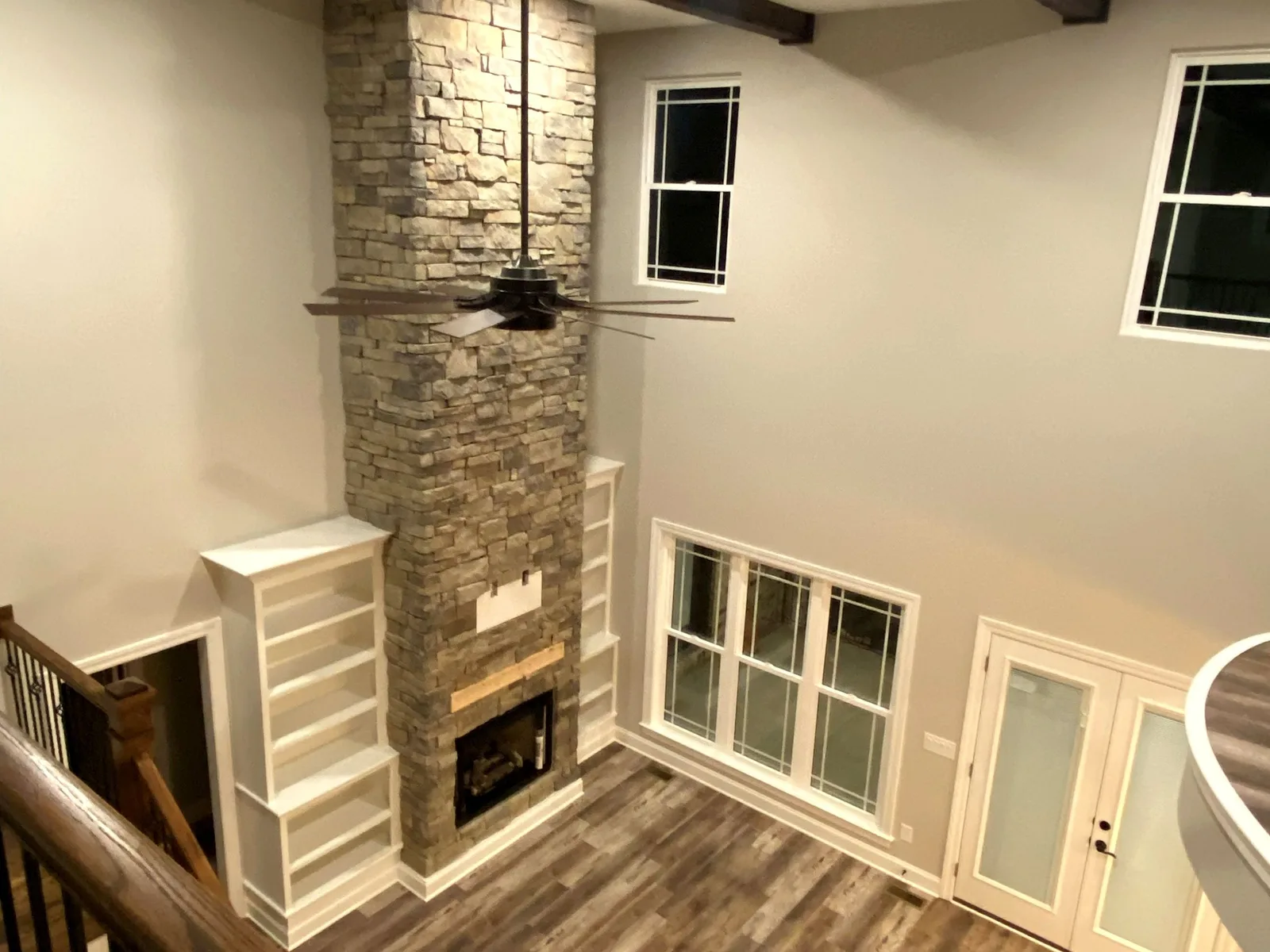
A closer look at our work
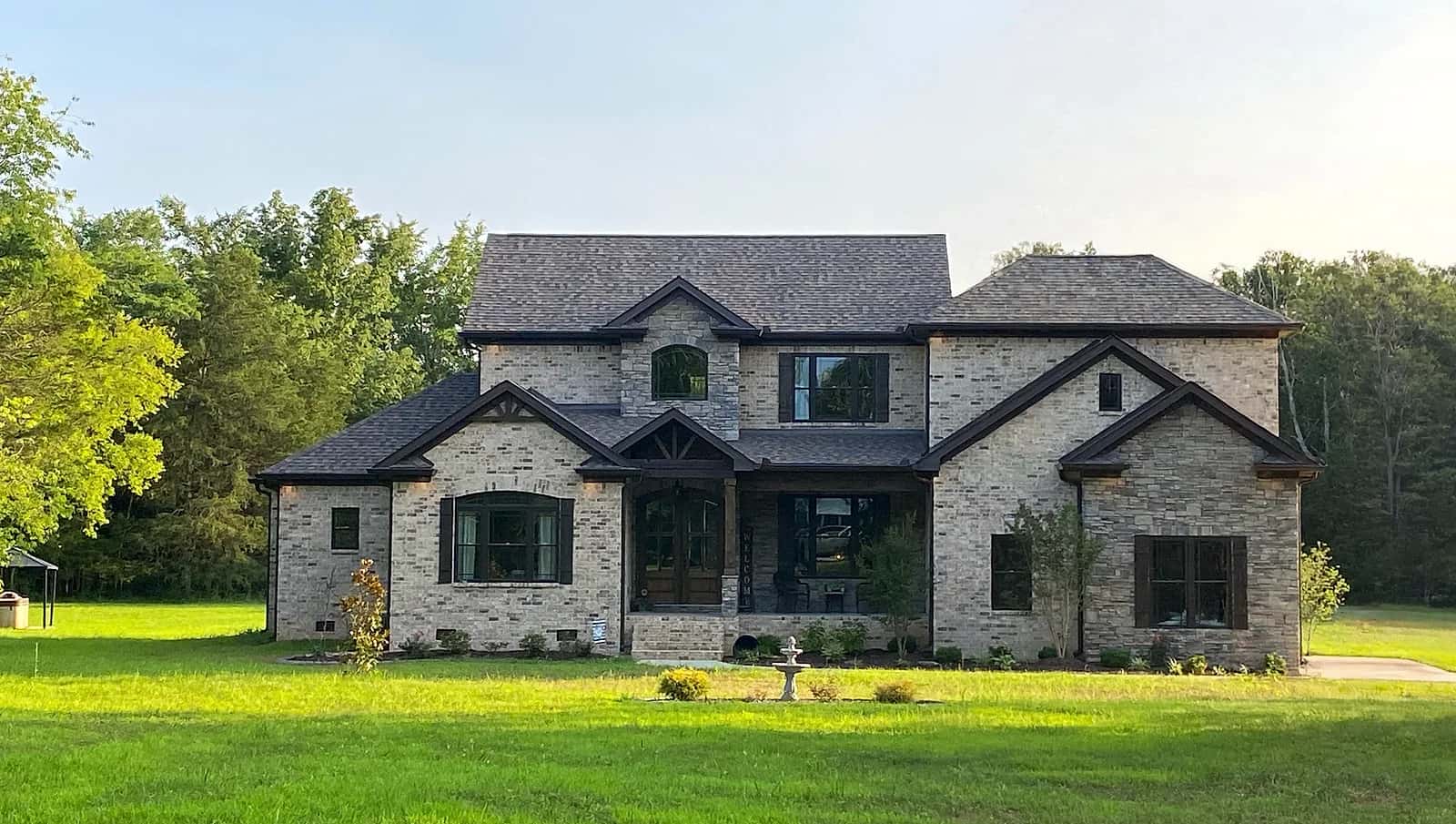
What to check before building on your land
A lot can look ready for a home and still need substantial preparation. Start with access, slope, drainage, utilities and the area where construction is allowed. Setbacks and easements can affect the position of the house, driveway and outdoor spaces. An infill lot near the center of town presents different questions from acreage along the Stones River corridor or in rural Rutherford County.
Before buying land, understand what information is available and what still needs investigation. A survey, utility information and confirmation of septic or sewer feasibility help establish the next steps. Soil conditions and the proposed structure inform foundation design; a photograph or a general description of the neighborhood cannot settle that decision. Bring the property address, any survey and your initial plans to the conversation. We can discuss the site and the questions that need answers before design and construction move forward.
Design around everyday life
Think about how you use a home before concentrating on its finishes. Where will you arrive with groceries? Which rooms need privacy? How will the kitchen connect to the porch, and where will family or guests gather? These choices help shape a floor plan that suits the people living in it, as well as the land beneath it.
During Design, the floor plan, exterior and structural decisions develop alongside the budget. Allowances for cabinetry, countertops, flooring, plumbing fixtures and lighting make room for selections while keeping their costs visible. Daniel works with homeowners through the design, and the team discusses changes before work proceeds. A larger window, a different roof shape or a moved wall can affect more than the item itself. Review the written scope and allowances together so you understand what is included and which choices are still open.
Construction timing and communication
Our typical construction estimate is four to twelve months from groundbreaking through completion, depending on the size of the home. Design generally takes four to eight weeks, followed by two to four weeks of preconstruction. Discovery comes before those stages. Approvals, site conditions, weather, changes and material availability can extend the schedule; these ranges are planning estimates rather than a guaranteed move-in date.
Construction proceeds through site work, foundation, framing, mechanical rough-ins, insulation, drywall and finishes. Required inspections help determine when work can move to the next stage. Your project manager is the point of contact for questions about progress, selections and changes. Progress photos and site conversations keep you connected to the work, with arrangements discussed for your project. Before scheduling a move, confirm the current forecast and the approvals still needed. A lender may also have its own inspections and requirements for releasing construction funds.
Written changes, walkthrough and warranty
A custom home involves many decisions. When a requested change affects the agreed work, review its scope, price and schedule implications before signing. The written change-order process keeps a conversation about an upgrade from becoming a surprise at the next invoice. Your construction agreement is the place to check the details of allowances, payment terms and how unexpected conditions are handled.
At completion, the final walkthrough and punch list provide an opportunity to identify remaining items and discuss closeout. Manuals and warranty documents belong with the information you keep for your home. Tennessee Home Builders provides a one-year builder warranty; the written warranty defines coverage, exclusions and the process for reporting an issue. Manufacturer warranties may have separate conditions. Ask about those documents before signing and keep the contact information accessible after move-in. The team remains reachable during the warranty period when questions arise.
Written by Daniel Jernigan
Daniel founded Tennessee Home Builders in 2021 and leads custom home design and build across Middle Tennessee.
Frequently asked questions
Allow four to twelve months for construction after groundbreaking. Design typically takes four to eight weeks and preconstruction two to four weeks, with Discovery beforehand. Permitting, site conditions, weather and changes may add time. Confirm the schedule for your project before making moving arrangements.
We build on your land. If you are still considering a lot, bring the property details to the initial conversation so we can discuss access, utilities and the questions to resolve before you buy.
Changes are written, priced and signed before the changed work proceeds. Review the effect on the scope and schedule as well as the price; your agreement explains how allowances and unexpected site conditions are handled.
Key Facts
- License
- TN Residential Contractor License # 77609
- Founded
- Building custom homes for Middle Tennessee families since 2021.
- Projects
- 29+ completed projects across Middle Tennessee
- Service Area
- Serving 20 cities across 8 Middle Tennessee counties from Murfreesboro.
- Signature
- Custom homes planned around your land, with construction typically taking four to twelve months after groundbreaking.
We serve homeowners across Middle Tennessee
From the office in Murfreesboro, we build, renovate, and improve homes in Murfreesboro, Christiana, Eagleville, Lebanon, Nolensville, Shelbyville, Smyrna, and Woodbury.
Explore our other services
Ready to start your custom home?
Tell us about your site, your timeline, and what you have in mind. We’ll come back within 24 hours.