
Residential Construction in Murfreesboro
Built solid, start to finish
Building a new home means coordinating plans, site work, trades and inspections. Tennessee Home Builders brings those pieces together for homeowners across Middle Tennessee, with the scope and selections discussed before construction starts.
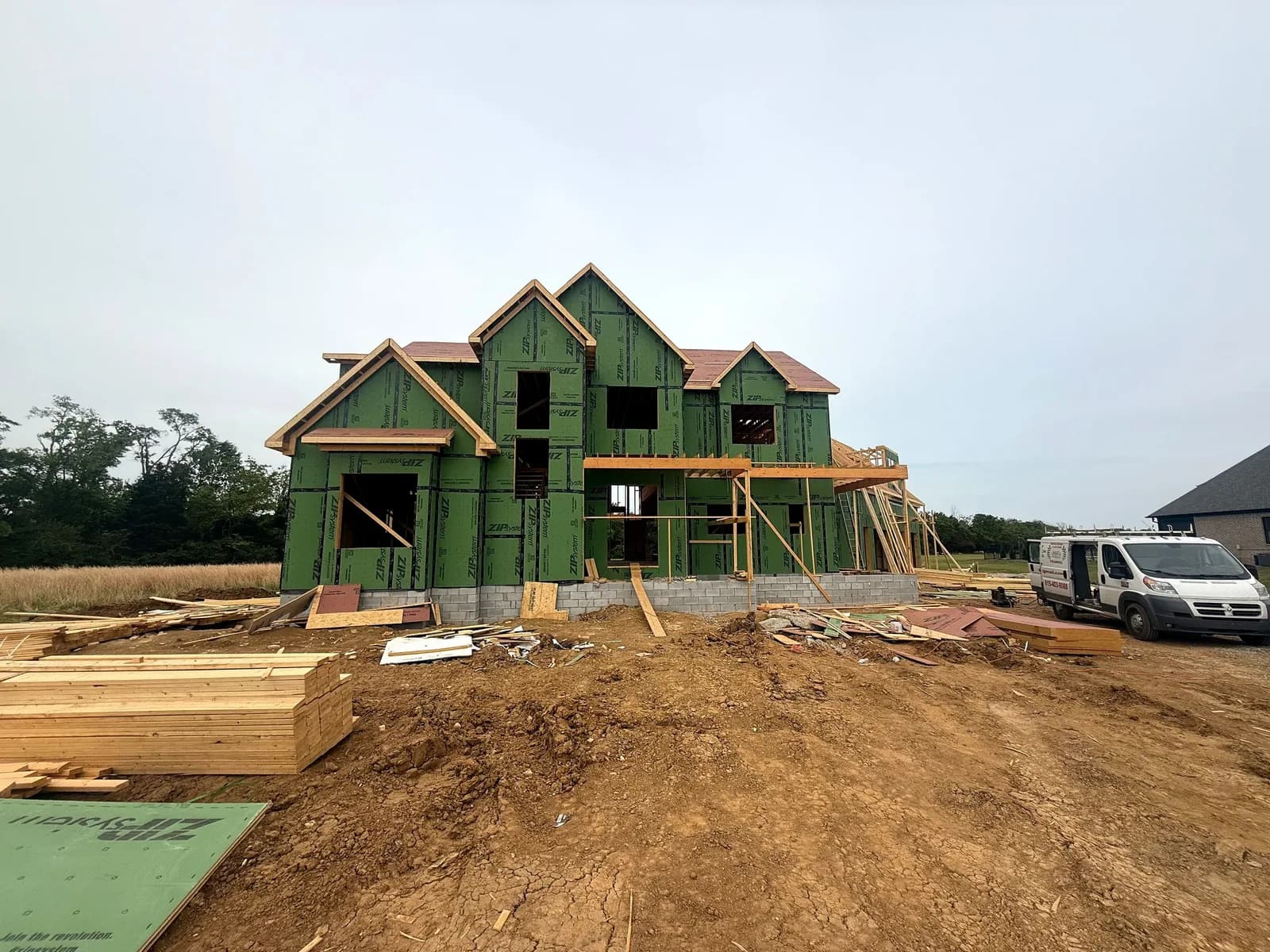
Start with the plans and the property
Residential construction is the work of turning a home plan into a finished building. The first conversation starts with what you have already decided and what still needs attention. You may have a property and ideas for a layout, or you may be comparing land before committing. Bring any plans, surveys and information about utilities so the discussion can focus on the actual project.
A plan still needs to fit its site. Driveway access, drainage, setbacks, septic or sewer access and utility connections can change the work required before a foundation begins. A subdivision lot and rural acreage may involve different approvals and preparation. We discuss those questions alongside the proposed home, so the construction scope reflects both. If the design still needs development, our custom-home design and build service covers that part of the conversation too.
Understand the scope and selections
A useful construction proposal explains the work it covers. Review the plans, materials, finish choices and allowances together. Cabinetry, countertops, flooring, fixtures and lighting can change a budget substantially, and an allowance is a planning amount for a selection rather than a promise that every available product fits it. Ask how selections are recorded and when decisions are needed.
You do not need to decide every decorative detail before an initial conversation. It helps to know your priorities, the spaces you use most and the features you would reconsider if the budget changes. Discuss how requested changes are priced and approved before work proceeds. Keep the written scope and subsequent approvals together so there is a clear record of what the team is building. Product availability and substitutions should be discussed in the context of the agreed specifications.
Coordinate the build and inspections
Once the scope is agreed and the project is ready to proceed, construction moves through site preparation, foundation, framing, mechanical work and finishes. Each trade depends on work completed before it, and required inspections affect when the next stage can begin. Your project manager coordinates the job and serves as the contact for questions about progress and decisions.
The schedule should reflect the size of the home and its site rather than an assumed advantage from a standard plan or finish package. Our published custom-home construction estimate is four to twelve months after groundbreaking, with design and preconstruction separate. The forecast for your residential project is discussed against its actual requirements. Weather, permit approvals, material availability and changes can affect it. Keep moving arrangements and lender requirements in the conversation so important dates are understood as the work progresses.
Prepare for completion and ongoing care
As the home approaches completion, the final inspection and walkthrough help establish what remains before handover. The punch list records items to address, while manuals and warranty information explain how to care for the equipment and materials in the home. Review the closeout requirements in your agreement and ask where to direct questions after you move in.
Tennessee Home Builders provides a one-year builder warranty. Read the written terms for its coverage, exclusions and claim process, and keep manufacturer documents for items with separate warranties. A clear handover also means knowing which issues need prompt attention and whom to contact. The goal of the initial consultation is to understand the home you want, the condition of your plans and property, and the next useful step. You can also explore our project gallery to see completed homes and work in progress.
Written by Daniel Jernigan
Daniel founded Tennessee Home Builders in 2021 and leads custom home design and build across Middle Tennessee.
Frequently asked questions
Residential construction covers the coordination and building work for a new home. Our custom-home service also discusses developing the design around your land and daily life. We review your plans and explain the appropriate scope at the first conversation.
Yes. Bring the plans and property information to the consultation. We can discuss the proposed scope, site requirements and any design or engineering questions that need to be resolved before construction.
Review the written specifications and allowances for your project. Selections and changes need to be considered against both price and availability; the agreement sets out how they are approved.
Key Facts
- License
- TN Residential Contractor License # 77609
- Founded
- Tennessee Home Builders has been crafting homes since 2021 for families across Middle Tennessee.
- Projects
- 29+ completed projects across Middle Tennessee
- Service Area
- Serving homeowners across 20 cities and 8 Middle Tennessee counties from Murfreesboro.
- Signature
- New-home construction coordinated from site preparation through finishes, inspections and the final homeowner walkthrough.
We serve homeowners across Middle Tennessee
From the office in Murfreesboro, we build, renovate, and improve homes in Murfreesboro, Christiana, Eagleville, Lebanon, Nolensville, Shelbyville, Smyrna, and Woodbury.
Explore our other services
Ready to start your residential build?
Tell us about your site, your timeline, and what you have in mind. We’ll come back within 24 hours.